Whether you run a hospital procurement desk or a medical distribution business, the supplier you choose affects patient outcomes, delivery timelines and your own reputation. A clear checklist makes the decision easier.
1. Quality standards and documentation
Ask for proof of quality management certification and for clear product documentation. A dependable supplier can provide material specifications, batch traceability and instructions for use without delay.
2. Product range and consistency
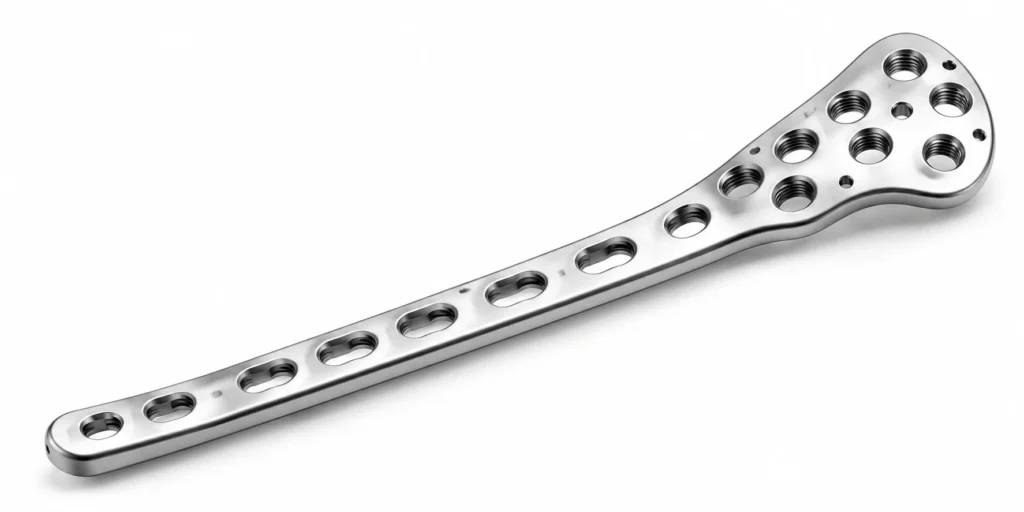
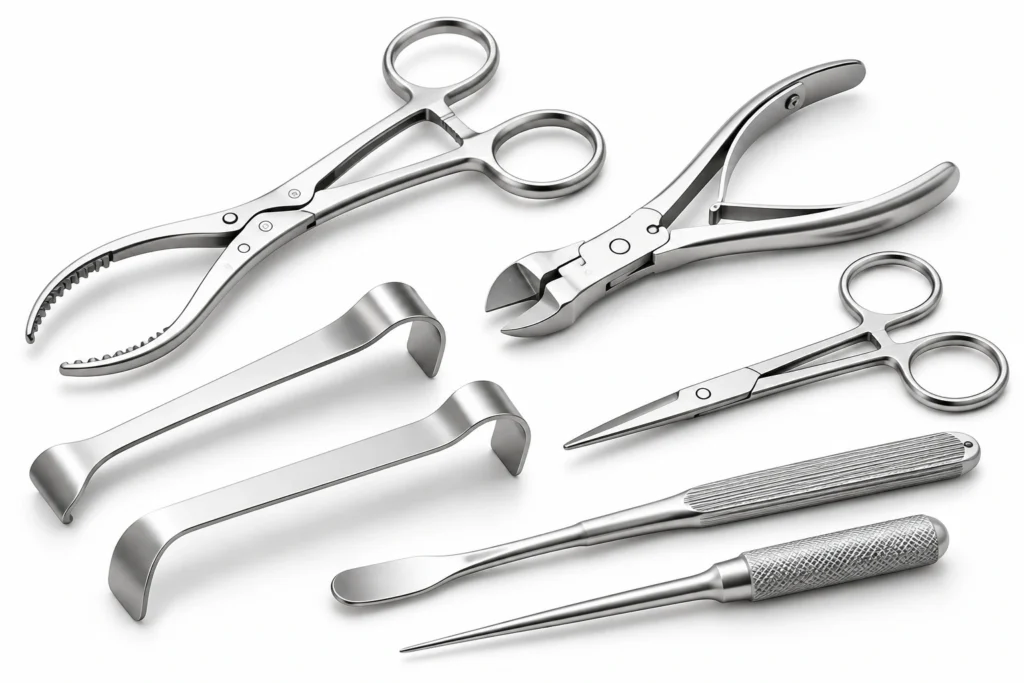
A supplier that covers hip, knee and trauma implants as well as matching instruments saves you from managing many vendors. Consistent sizing and finishing between batches is just as important as the range itself.
3. Clear product information
Surgeons and buyers need accurate details such as dimensions, materials and compatible instruments. Catalogues that list this information clearly reduce ordering errors and back and forth.
4. Packaging and delivery
Implants must arrive intact and correctly labelled. Check how the supplier packs, ships and tracks orders, and what support they offer if something arrives damaged.
5. Responsive support
Quick, knowledgeable answers on pricing, availability and product questions are a good sign of a long term partner.
Final thoughts
Take the time to compare suppliers on these points rather than on price alone. If you would like to see our range or request a quote, browse the Orthozenix catalogue or contact our team.