Locking compression plates, often shortened to LCP plates, are a common choice in orthopedic trauma surgery. Understanding the basics helps buyers and distributors discuss requirements clearly with their suppliers.
What is an LCP plate?
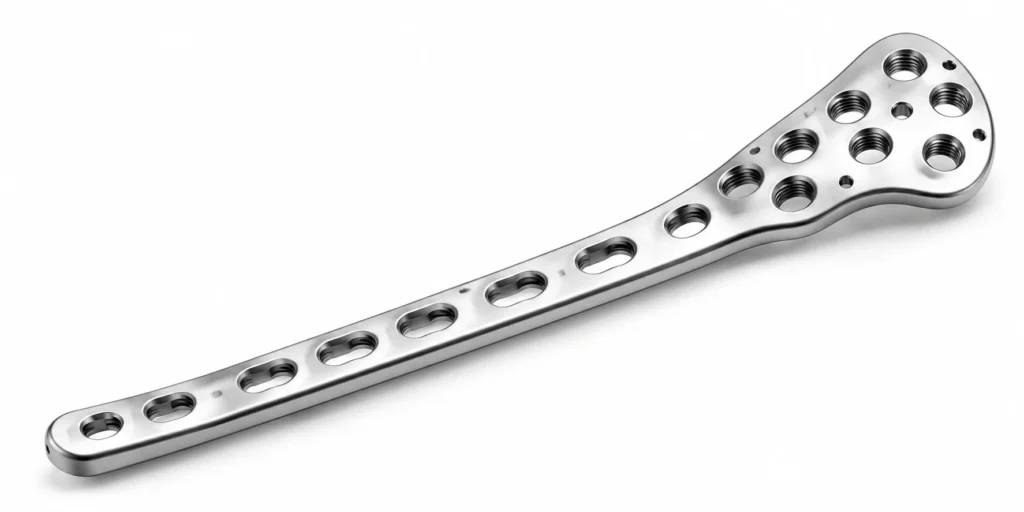
An LCP plate is a bone plate whose holes accept both standard screws and locking screws. This combination gives surgeons flexibility in how a fracture is stabilised, depending on the case.
Common plate types
LCP plates are made in many shapes and lengths to suit different bones, for example distal tibia plates designed to follow the shape of the lower leg. The right choice always depends on the surgeon’s plan.
What to check when sourcing
- Material specification and surface finish
- Available lengths, hole counts and left or right versions
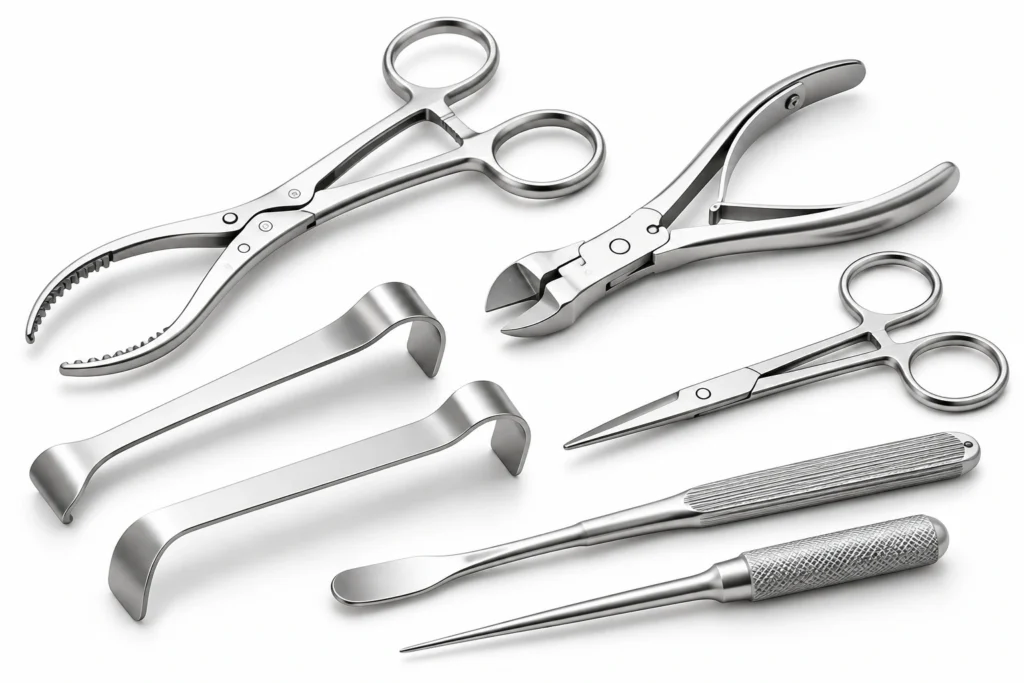
- Compatible screws and instruments
- Clear labelling and sterile or non-sterile packaging details
Why consistency matters
Plates and screws need to match precisely. Sourcing from a supplier with consistent manufacturing and clear product documentation reduces mismatches and delays.
You can see our current range of plates and implants in the Orthozenix shop, or contact us for specific requirements.